
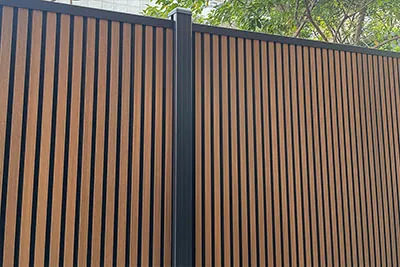
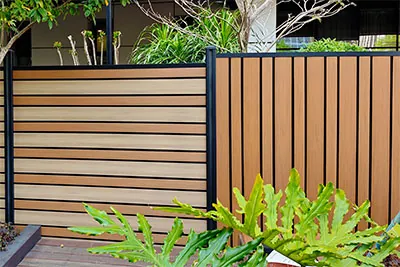
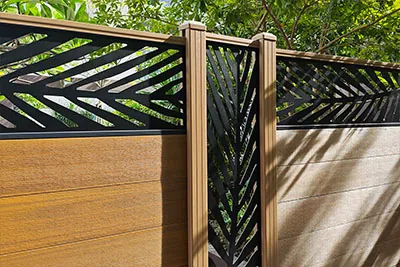
Salt air doesn’t care how much you spent on your fence.
It doesn’t care about your brand loyalty, your contractor’s promises, or the “lifetime warranty” printed on that brochure. If your fencing material can’t handle relentless moisture, airborne salt crystals, and UV bombardment — it’s going to fail. Probably sooner than you think.
And in 2026, the stakes for coastal property owners just got higher.
This guide breaks down which composite fencing actually performs in coastal environments — and why the conversation has shifted from “what looks good” to “what survives.” Whether you’re evaluating commercial composite fencing for a beachfront resort or exploring residential composite fencing solutions for a family home near the shore, the material science matters more than the marketing.
Fair warning: not every composite is built the same. That distinction is the whole point.
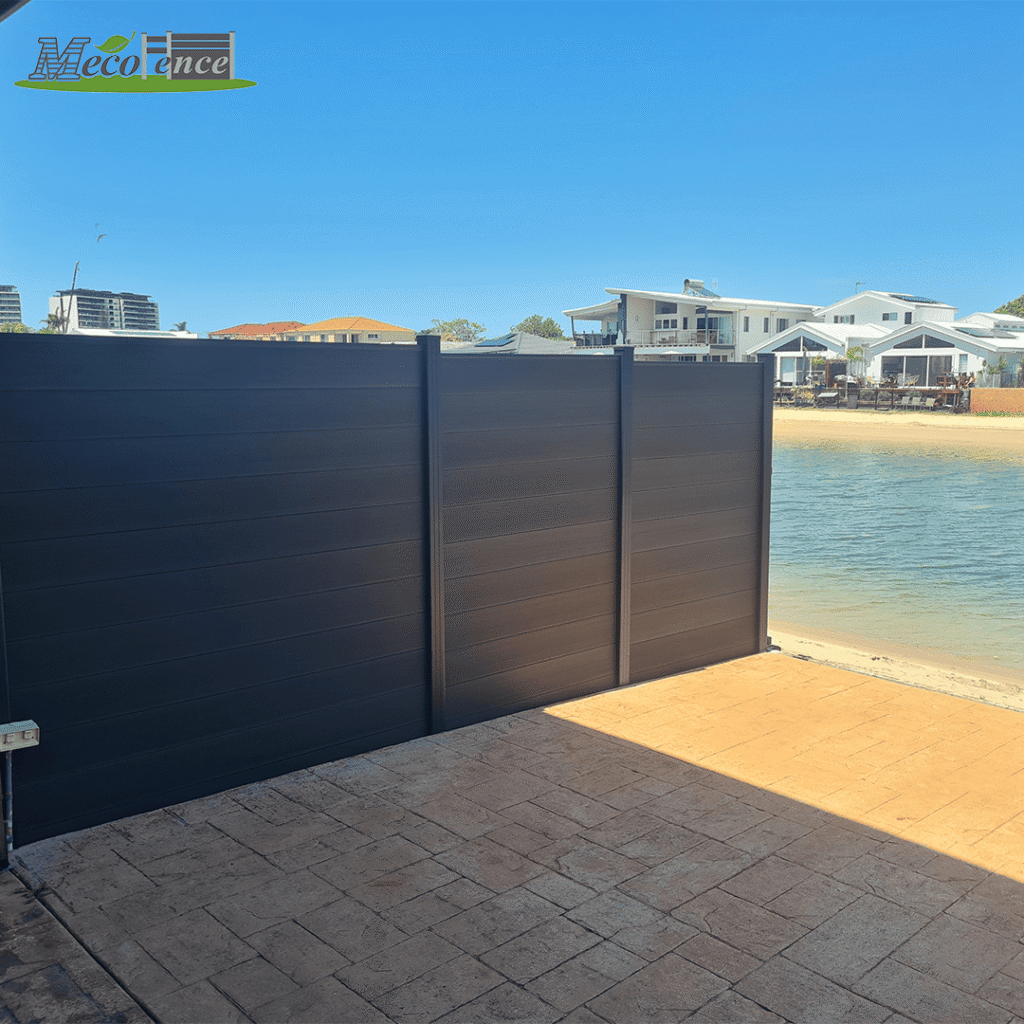
The Coastal Problem Is Getting Worse — Not Better
Let’s set the stage with what’s actually happening along US coastlines right now.
In January 2026, New Jersey’s REAL Rules (Resilient Environments and Landscapes) took effect — the strictest coastal construction regulations the state has ever implemented. These rules expand flood maps, raise elevation requirements, and tighten building standards for any structure in a coastal hazard zone. They’re already facing legal challenges from builder associations who say the added costs are unreasonable.
Reasonable or not, the regulations reflect a hard truth: coastal conditions are intensifying.
In North Carolina, over 20 oceanfront houses in Buxton collapsed into the Atlantic since late 2025 — the worst beach erosion Hatteras Island has ever seen. In March 2026, a kona low storm in Maui caused coastal erosion so severe that a section of South Kīhei Road literally caved in.
And in Florida, Governor DeSantis just signed a bill fast-tracking permits for “living shorelines” — mangrove restorations, oyster reef projects, hybrid seawalls — because traditional concrete barriers keep failing.
So what does this mean for your fence?
Everything. If the ocean is eating roads and toppling houses, your fence is facing the same corrosive forces — just on a smaller, more personal scale.
Why Traditional Fencing Fails on the Coast
Before we talk about what works, let’s be honest about what doesn’t.
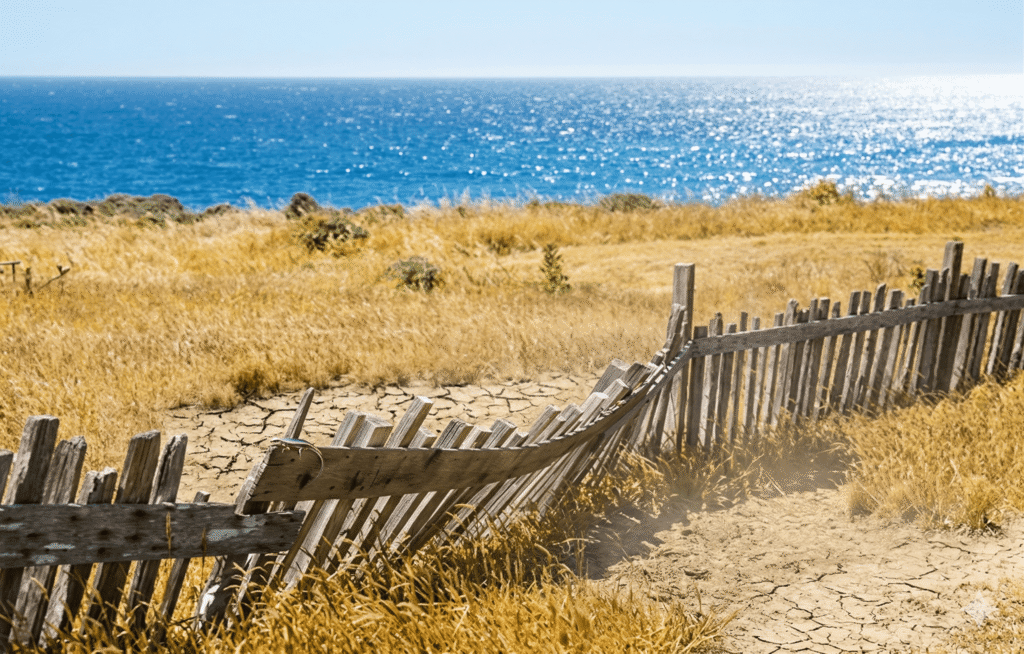
Wood fencing is still the most common choice nationwide. And it’s the worst possible choice within a few miles of saltwater.
Here’s why:
- Salt absorption. Wood is porous. Sea spray deposits salt crystals that draw moisture deep into the grain, accelerating rot from the inside out.
- Warping and swelling. Coastal humidity causes constant expansion and contraction cycles. Within two to three years, boards twist, split, and pull away from posts.
- Maintenance trap. Sealing, staining, replacing boards — it never ends. Coastal wood fences typically need refinishing every 12–18 months to stay functional.
- Storm vulnerability. Wooden panels act as wind sails. A 60 mph gust hitting a 6-foot solid privacy fence generates roughly 15 pounds of force per square foot. Over a 100-foot fence line, that’s over 9,000 pounds of lateral pressure. Boards splinter. Posts uproot. Panels become debris.
That’s the anecdotal version. Here’s what the data actually shows.
The Numbers Behind Coastal Material Failure
Salt doesn’t just damage — it multiplies damage exponentially based on distance from the shoreline.
Classic corrosion research conducted in North Carolina in the 1940s — cited in a widely referenced paper by Frank LaQue — found that iron samples corroded 10 times faster at 80 feet from the shoreline compared to identical samples placed just 800 feet inland. That’s a 10x degradation difference over a distance shorter than a football field.
The same research found that salt spray concentrations decline most sharply in the first 300 to 3,000 feet from the waterline — but accelerated corrosion has been detected as far as 5 to 10 miles inland. If your property is anywhere within that radius, your fencing materials are under salt stress whether you can taste it in the air or not.
Here’s where it gets interesting for fencing specifically.
A U.S. Department of Defense corrosion study published by the Whole Building Design Guide found that standard galvanized steel chain-link fencing can severely corrode in as little as 5 years in warm, humid coastal environments. The same report concluded that traditional fence and railing materials last only 5–7 years in corrosion-prone environments before requiring full replacement. That’s not a 20-year asset with a few repairs — it’s a 5-year disposable.
For wood, the picture isn’t much better. Fencing industry data consistently shows:
- Pressure-treated pine lasts roughly 15–20 years inland but drops to 10–15 years on the coast — and that’s with regular sealing every 2–3 years.
- Cedar and redwood hold up better due to natural oils, reaching 20–25 years inland, but coastal salt spray still shaves 2–3 years off their lifespan compared to the same wood installed a few miles further from shore.
- A local coastal study in California found wooden fences near the shoreline averaged replacement at 12–18 years, while high-grade vinyl installations in the same area remained functional beyond 25 years with far fewer repairs.
And it’s not just the boards. Humidity above 60% — which is the baseline in most coastal zones — doubles corrosion rates on metal components compared to dry climates. Every bracket, hinge, screw, and latch on your fence is under accelerated attack, even if the panels themselves are holding up.
One more detail that often surprises property owners: sheltered areas under decks, overhangs, and covered fence sections actually corrode faster than exposed ones. Why? Rain periodically rinses salt off exposed surfaces. Sheltered spots accumulate salt without ever getting washed clean.
The takeaway? Coastal environments don’t just shorten material lifespans — they fundamentally change which materials are viable in the first place.
This is exactly why the search for alternatives to wood fencing has accelerated — especially in hurricane-prone and high-salinity coastal zones.
Vinyl is the next common choice. It resists moisture better than wood, but it has its own coastal problems: UV degradation makes vinyl brittle over time, and once it cracks under wind load or impact, it shatters rather than flexes. Chain link rusts — sometimes in as few as 5 years near the ocean. Painted metal peels. Aluminum won’t corrode, but it dents easily and offers minimal privacy.
None of these are terrible everywhere. But on the coast, “good enough” deteriorates fast.
What Makes Composite Different (and Why It Matters Here)
Composite fencing is a blend of wood fibers and plastic polymers — engineered to combine the appearance of timber with the weather resistance of synthetic materials. (New to composite? Here’s a complete overview of what composite fencing is and how it compares to wood, vinyl, and metal.)
But here’s the thing most people miss: there are two fundamentally different generations of composite fencing, and the distinction is critical for coastal performance.
1st Generation (Traditional WPC)
This is the classic wood-plastic composite. No outer shell. The wood fibers are mixed throughout, and the surface is exposed. It feels more like natural wood, but it’s also more porous. In moderate climates, this works fine. In coastal environments, moisture can still penetrate the surface and cause swelling over time — not as fast as raw wood, but faster than you’d want.
Co-Extruded Composite (Capped)
This is the modern standard for high-performance applications. The core is wrapped in a dense polyethylene (PE) shell — essentially a waterproof shield. This cap is hydrophobic, scratch-resistant, and blocks UV penetration. For coastal use, co-extruded composite is the minimum viable product. Anything less is a compromise. (For a deeper look at how different surface finishes interact with core technology, see this guide to composite fencing surface treatments.)
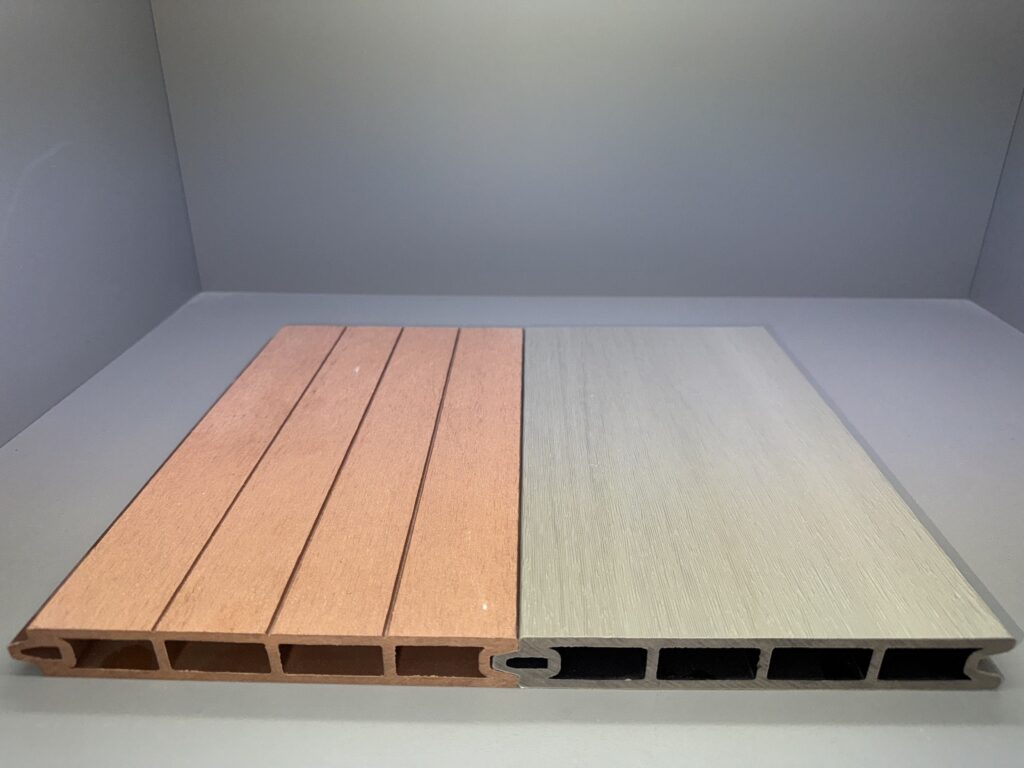
The difference isn’t subtle. Co-extruded boards offer:
- Zero water absorption at the surface level
- Salt spray resistance — no crystalline salt buildup that degrades the material
- UV stability that prevents the fading and embrittlement common in vinyl
- Dimensional stability — no warping or expansion under humidity cycles
If you’re comparing low-maintenance fence alternatives for a coastal property, this is the specification that separates products that last a decade from products that last a season.
Not All Composite Survives the Coast — Here’s Where Cheap Products Fail
Here’s the uncomfortable truth about composite fencing: the word “composite” on a product label doesn’t mean it’s coastal-ready.
The market is flooded with budget composite boards that look fine in a showroom but break down rapidly once salt, UV, and humidity go to work. The most common failure modes are predictable — and preventable, if you know what to look for.
How Low-Grade Composite Falls Apart Near the Ocean
Fading and discoloration. Cheap composite boards — especially first-generation WPC without a co-extrusion cap — rely on surface-level pigmentation. Under intense coastal UV (amplified by reflection off water and sand), these boards can fade noticeably within 2–3 seasons. Darker colors are hit hardest. Once the color shifts, there’s no fix — you can’t paint or stain composite without voiding most warranties.
Moisture absorption and swelling. First-gen boards have exposed wood fibers throughout the surface. In a dry inland climate, this might never cause issues. On the coast, where humidity sits above 60% year-round and salt spray creates a persistent moisture film, those exposed fibers absorb water. The result: swelling, soft spots, and eventual warping — the same problems you bought composite to avoid.
Thermal warping and buckling. Every composite board expands in heat and contracts in cold. That’s normal physics. But boards made with inconsistent material density or poor formulation expand unevenly, causing visible bowing, panel misalignment, and gaps that worsen with each seasonal cycle. On a sun-blasted coastal fence line, this can become obvious within the first year.
Structural snapping under wind load. Budget composites often lack internal reinforcement. They feel rigid enough in your hand, but under sustained lateral wind pressure — the kind that’s routine in coastal zones — they don’t flex. They snap. And a snapped composite panel doesn’t splinter like wood. It fractures cleanly, leaving a gap in your fence line.
Sound familiar? These are the exact complaints that give composite fencing a bad reputation — but they’re almost always problems with cheap composite, not the material category itself.
What Lab-Tested, Coastal-Grade Composite Looks Like
The gap between budget composite and engineered coastal-grade composite comes down to one thing: whether the product was actually tested under the conditions it will face.
This is where most manufacturers go quiet. They’ll say “weather resistant” or “UV protected” in their marketing — but they won’t tell you how many hours of accelerated UV testing the product survived, or whether it was subjected to salt-spray cycling.
For reference, here’s what a serious testing protocol looks like — the kind of pre-shipment lab process used by manufacturers who actually sell into coastal and tropical markets:
- Boiling saltwater immersion — boards submerged in 95°C (203°F) saltwater for 14 continuous cycles. This simulates years of salt-spray exposure in a few days. If the board swells, delaminates, or loses structural integrity, it fails. Period.
- Bending strength testing — mechanical pressure applied to determine the board’s ultimate breaking point. Coastal-grade boards need to withstand forces equivalent to Category-level wind loads without snapping. A budget board that passes a gentle flex test in a warehouse won’t survive a real storm season.
- Accelerated UV aging — simulates years of intense sunlight exposure to test color stability and surface degradation. If the board chalks, fades beyond tolerance, or develops surface brittleness, it’s not coastal-ready.
- Freeze-thaw cycling — boards tested at -18°C for 14 continuous cycles to verify resistance to thermal cracking. Coastal doesn’t just mean tropical — New England, the UK, and Northern Europe have coastal environments with harsh winters.
- Color consistency verification — panels evaluated under multiple simulated daylight spectrums to catch batch-to-batch color variance. Over a 200-foot commercial installation, even minor tone shifts become visible.
That’s five separate lab tests, each designed to simulate a specific coastal failure mode. Most budget composite products haven’t been subjected to any of them.
Certifications That Actually Mean Something
Beyond lab testing, look for recognized third-party certifications:
- CE + REACH compliance — required for EU markets, verifies the product meets structural safety and chemical safety standards.
- ISO 9001 — confirms the manufacturer operates a quality management system with documented production controls.
- FSC certification — verifies the wood fiber content comes from responsibly managed forests.
A manufacturer that can show you CE testing reports, ISO certification numbers, and salt-spray test data is operating at a fundamentally different level than one selling generic boards with a vague “25-year warranty” and no published testing.
The bottom line: if you’re evaluating composite fencing for a coastal project, asking “is it composite?” isn’t enough. Ask: has this specific product been tested in saltwater? What’s the documented bending strength? Is there a co-extrusion cap layer? If the answer to any of those is “I’m not sure” — keep looking.
Coastal Performance: The Invisible Forces That Destroy Fences
Every coastal fence faces three simultaneous threats. A good composite fence needs to handle all of them — not just one.
1. Salt Corrosion
Airborne salt doesn’t just land on your fence. It creates a thin, conductive moisture film that accelerates chemical breakdown of any vulnerable material. Metal fasteners corrode. Wood fibers swell and decay. Even concrete can pit over decades.
Co-extruded composite resists this because the PE cap creates a non-porous barrier. Salt sits on the surface and washes off with rain or a garden hose. There’s no absorption pathway.
However — and this is often overlooked — the hardware matters as much as the boards. Stainless steel or marine-grade fasteners are non-negotiable. A composite board bolted to a fence with standard zinc screws will still fail at the connection points.
2. Wind Load
Hurricanes get the headlines, but regular coastal wind is what really tests a fence day after day. Sustained gusts of 30–40 mph are normal in many coastal zones, and storm season pushes that far higher.
Solid privacy panels catch the most wind. This is a physics problem, not a material problem — but material choice affects the outcome.
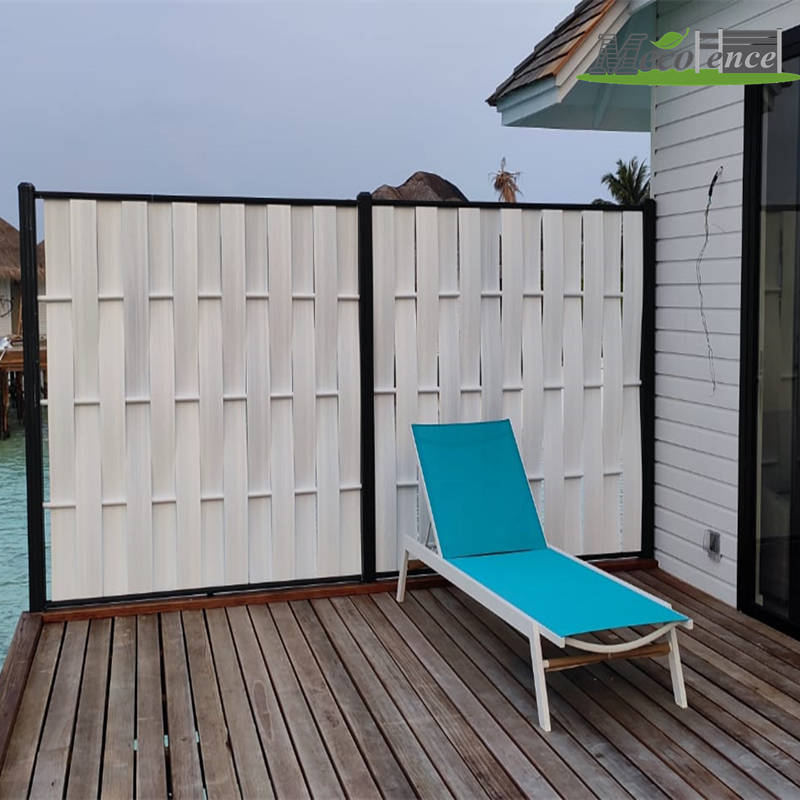
Some composite fence designs now incorporate aerodynamic engineering: internal channels or slatted structures that allow wind to pass through without compromising visual privacy. This approach significantly reduces lateral force on posts and rails.
Post depth and spacing are just as important. In sandy coastal soil, standard 30-inch post depth isn’t enough. Go 36–42 inches minimum, with wider concrete footings. The fence board can be bulletproof, but if the post pulls out of the ground, you’re replacing the whole section. (For terrain-specific guidance, see this modular fencing installation guide for slopes and uneven ground.)
3. UV Degradation
Coastal areas get intense, prolonged sun exposure — often amplified by reflection off water and sand. UV radiation breaks polymer chains in plastic materials, causing fading, chalking, and eventual brittleness.
Quality composite fencing uses UV stabilizers in both the core and the cap layer. First-generation composite relies on the surface wood fibers for color, which fade noticeably within a few years. Co-extruded boards lock the pigment inside the protective shell, where UV penetration is minimal.
This is especially relevant for southern and tropical coastlines — the Gulf Coast, Florida, Southern California, the Mediterranean — where annual UV exposure is dramatically higher than inland areas.
Commercial vs. Residential: Different Scale, Same Physics
The principles are identical whether you’re fencing a beachfront hotel or a backyard.
But the application details differ.
Commercial Composite Fencing
For resorts, rental properties, marinas, boardwalk businesses, and HOA-managed communities, the priorities are:
- Consistent appearance across large installations. Color variation between boards becomes visible over hundreds of linear feet. Co-extruded composites with factory-controlled pigmentation deliver more uniform results than wood or first-gen composite.
- Minimal ongoing labor costs. A 500-foot perimeter fence that needs annual staining is a budget line item forever. Composite eliminates that recurring expense.
- Code compliance. With regulations like New Jersey’s REAL Rules tightening coastal construction standards, material specifications are increasingly scrutinized during the permitting process. Composite products with documented wind-load ratings and moisture resistance data simplify compliance.
- Liability reduction. A splintering wood fence or a shattered vinyl panel on a commercial property is a lawsuit waiting to happen. Composite doesn’t splinter and doesn’t shatter.
Residential Composite Fencing Solutions
For homeowners, the calculus is more personal:
- Total cost of ownership over 10+ years. Composite costs more upfront than pressure-treated wood. Over a decade, the math reverses — no staining, no board replacements, no annual sealing. A reasonable estimate puts composite’s 10-year cost at 30–40% lower than maintained wood.
- Storm recovery. After hurricane season, fence repair demand spikes and contractor availability drops. A fence that survives the storm without structural damage is worth significantly more than its purchase price.
- Curb appeal and property value. Coastal real estate is already under valuation pressure from flooding risk and erosion. A deteriorating fence doesn’t help. A clean, maintained-looking boundary does.
- Privacy without wind risk. This is where aerodynamic panel designs earn their keep. Homeowners want visual screening from neighbors and beach traffic — but not at the cost of replacing panels every storm season.
What to Look for When Choosing Composite Fencing for Coastal Use
Not all composite products are marketed with coastal use in mind. Here’s a practical checklist:
- Co-extrusion cap layer — Non-negotiable for coastal. If the product doesn’t have a protective outer shell, it’s not designed for salt exposure.
- UV stabilizer rating — Ask for specifics. “UV resistant” is marketing. Hours of accelerated weathering testing is data.
- Wind-load testing — Does the manufacturer provide rated wind-speed performance? If not, you’re guessing.
- Marine-grade hardware compatibility — The fencing system should be designed for stainless steel or coated fasteners, not standard galvanized.
- Warranty terms for coastal installation — Some warranties exclude “coastal” or “marine” environments in the fine print. Read carefully.
- Thermal expansion tolerance — Composite expands and contracts with temperature. In hot coastal climates, boards need adequate gap spacing to prevent buckling.
The Bigger Picture: Coastal Building Is Changing
2026 is shaping up as a turning point for how we build near the coast.
New Jersey’s expanded flood maps and elevation requirements. Delaware reviewing its coastal building line for the first time since 1979. Florida redirecting over $200 million in resilience funding toward nature-based coastal protection. North Carolina watching houses fall into the ocean.
The pattern is clear: coastal infrastructure is being held to higher standards, and the materials we choose — from foundations to fences — need to meet that moment.
For property owners evaluating alternatives to wood fencing, composite isn’t just a convenience upgrade. In coastal environments, it’s increasingly the practical baseline.
And for anyone still running wood fences within earshot of the ocean — the salt is already working. You just might not see it yet.
Quick Takeaways
Choose co-extruded composite over first-generation WPC for any property within a few miles of saltwater. The sealed cap layer is the difference between lasting performance and early replacement.
Don’t ignore the hardware. Marine-grade stainless fasteners protect the connection points that boards alone can’t.
Design for wind, not just privacy. Aerodynamic panel structures reduce storm damage risk without sacrificing visual screening.
Factor total cost of ownership. Upfront savings on wood become long-term losses in maintenance, repair, and replacement — especially in coastal conditions.
Stay current on local regulations. Coastal building codes are tightening across the US. Material choices that meet or exceed code requirements simplify permitting and protect your investment.
Considering composite fencing for a coastal project? Feel free to explore MecoFence High Quality Composite Fence or request a sample kit to evaluate materials firsthand.