
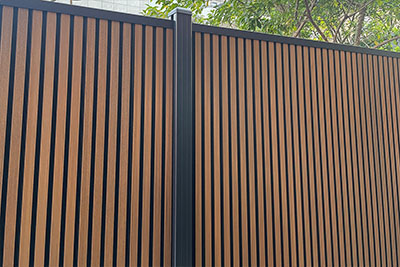
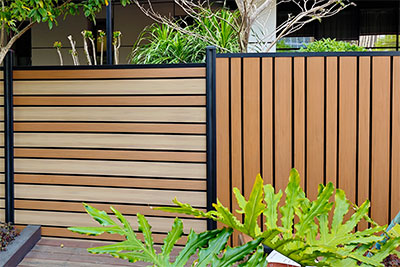
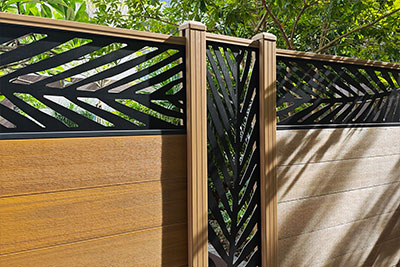
Here’s the uncomfortable truth most distributors won’t say out loud: vinyl fencing is cheaper to buy — and more expensive to sell.
Not because the material costs more on a per-foot basis. It doesn’t. But because callbacks, warranty claims, cracking panels, and the race-to-the-bottom pricing of PVC privacy fence are quietly draining your margins.
Meanwhile, composite fencing — the wood-plastic composite (WPC) material that blends recycled HDPE and wood fiber — is pulling in higher per-project revenue, fewer service calls, and better repeat-order rates for the contractors and wholesalers who’ve switched.
This guide compares composite fence vs vinyl fence through the lens that actually matters to your business: profitability. Not just cost per foot — but cost per headache.
Let’s break down the real numbers.
Disclosure: MecoFence manufactures composite fencing systems. We’ll cite third-party data throughout this article. Where we reference our own specs, we’ll say so. You should verify every claim against your market before making purchasing decisions.

The Margin Trap: Why "Cheaper Product" ≠ "More Profitable Product Line"
If you’re a wholesaler stocking vinyl fence panels, you already know the drill. Big-box retailers sell the same white PVC privacy panels you do — often at near-wholesale prices. That compresses your margin into a razor-thin window.
Contractors face the same squeeze from the other end. Homeowners walk in with a Home Depot price printed out and say: “Can you beat this?”
You can’t win a price war against big-box volume on a commodity product. Full stop.
Composite fencing changes the competitive dynamic. It’s a differentiated product that most retailers don’t stock deeply. Your customer can’t Google-compare a co-extruded dual-tone slat wall panel against a Lowe’s shelf the way they can a white PVC panel. That gives you pricing power.
In the fencing industry, residential contractors typically target 25–35% gross margins, while custom/specialty work can reach 35–45%. Vinyl’s commodity status forces most contractors toward the lower end. Composite, as a premium product, naturally sits in the higher bracket.
That’s the first lever. There are four more.
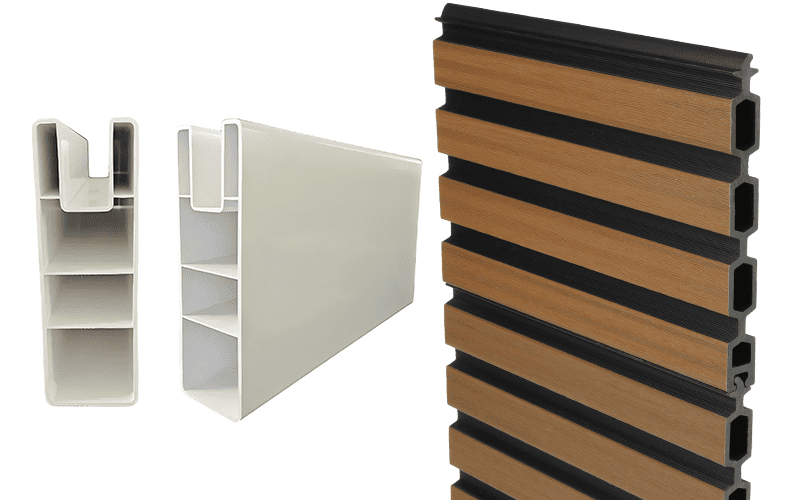
Before we talk money, let’s be precise about what we’re comparing. The terms “WPC fence” and “PVC fence” get thrown around loosely, so here’s a clean definition.
What Is a Vinyl (PVC) Fence?
Vinyl fencing is 100% polyvinyl chloride (PVC) — a synthetic plastic. It’s manufactured as hollow panels and posts. Standard residential thickness ranges from 0.135 to 0.150 inches. It’s lightweight, easy to ship, and comes in pre-molded panels that snap together.
The trade-off? PVC is a single-material product. No internal reinforcement. No wood fiber for rigidity. The entire structural load depends on the wall thickness of the plastic.
What Is a Composite (WPC) Fence?
Composite fencing blends recycled HDPE plastic with wood fibers, extruded into a fluted chambered profile — multiple hollow rectangular chambers running lengthwise through the board. The board walls are greater than 4mm thick, which includes a 1mm co-extruded protective layer fused to the outer surface — a UV-stable ASA material that shields the WPC core against fading, moisture, and staining. That 1mm protective layer is bonded during extrusion, not applied after — it’s structurally part of the wall, not a coating on top.
The result: MecoFence panels reach a total board thickness of 24mm — paired with 80mm × 80mm aluminum posts — a structural system engineered for wind loads up to Beaufort Level 9 (Intertek-verified, report #180206062GZU-003). The chambered profile keeps weight manageable for install while the thick walls and ASA cap deliver the performance.
Vinyl simply can’t match that. Not at any price point.
| Feature | Vinyl (PVC) Fence | Composite (WPC) Fence |
|---|---|---|
| Core Material | 100% PVC plastic | HDPE + wood fiber + ASA/PE cap |
| Board Thickness | 3.4–3.8mm wall (hollow PVC, no cap layer) | 24mm total fluted hollow chambers, wall thickness >4mm (incl. 1mm co-extruded protective layer) (MecoFence) |
| Post System | Hollow PVC (steel insert optional) | 80×80mm aluminum with Y-slot design |
| Wind Rating | No standard industry rating | Beaufort 9 (Intertek certified) |
| Fire Rating | Melts at ~100°C; varies by brand | ASTM E84 Class A (MecoFence) |
| Appearance | Smooth, plastic sheen, limited colors | Wood-grain texture, 6–9+ color options |
| Cold-Weather Performance | Becomes brittle, prone to cracking | Stable, no cracking at freezing temps |
| Hot-Weather Performance | Warps, sags; deflects under direct sun | Deflection temp 80°C (ISO 75-1); stays rigid |
| Eco Credentials | PVC, hard to recycle, toxic in production | Recycled HDPE + wood fiber; REACH compliant |
| Lifespan | 20–30 years (quality dependent) | 25–30+ years; 15–20 year warranty |
On raw specs, composite wins nearly every line. But specs don’t pay your bills. Margins do.
Cost & Profitability: The Numbers That Matter to Your Bottom Line
Let’s model a typical 150-linear-foot residential privacy fence project — the bread-and-butter job for most contractors.
Upfront Material Cost per Linear Foot
In 2026, market pricing looks roughly like this:
- Vinyl privacy fence: $15–$40/linear foot (materials only); $30–$60/ft installed
- Composite privacy fence: $25–$50/linear foot (materials only); $40–$75/ft installed
Yes, composite costs more per foot. That’s the number everyone sees first — and stops reading.
But look at what happens on the sell side.
Per-Project Revenue Comparison (150 Linear Feet)
| Line Item | Vinyl Project | Composite Project |
|---|---|---|
| Materials (contractor cost) | $3,750 ($25/ft avg) | $5,250 ($35/ft avg) |
| Labor (2-person crew, ~2 days) | $1,500 | $1,800 |
| Overhead (25%) | $1,313 | $1,763 |
| Total Cost to Contractor | $6,563 | $8,813 |
| Quote to Homeowner (30% margin) | $9,375 | $12,590 |
| Realistic Achievable Margin | 25–30% (commodity pressure) | 30–40% (premium product) |
| Gross Profit per Project | ~$2,200 | ~$3,780 |
That’s $1,580 more gross profit per project — on composite. Do 20 fence jobs a year and you’re looking at $31,600 in additional annual profit from the same crew, same truck, same schedule.
And this model doesn’t even account for the callback savings. That’s next.
Composite vs Vinyl Fencing Durability: The Callback Factor
Ask any fence contractor what kills profitability and you’ll hear one word: callbacks.
A single callback — driving back, diagnosing the problem, replacing the panel, apologizing to the homeowner — easily costs $200–$500 in labor and lost time. And vinyl generates more of them.
Vinyl’s Durability Achilles Heels
PVC fencing has well-documented failure modes that lead directly to service calls:
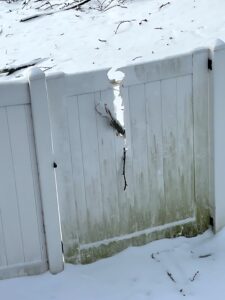
- Cold-weather cracking: PVC becomes brittle below freezing. A hard impact — a ball, a branch, even a strong wind gust — can crack panels that would survive the same force in summer.
- Heat warping: In direct sunlight, vinyl panels bow and sag. Dark-colored vinyl is especially vulnerable. This is a visible defect homeowners notice immediately.
- Wind dislodgement: Hollow PVC posts without steel reinforcement can crack at the base during windstorms. Panels pop out of their channels. The homeowner calls you.
- UV fading: Lower-grade vinyl yellows or discolors within 3–5 years. The homeowner doesn’t blame the manufacturer — they blame the installer.
Why Composite Generates Fewer Callbacks
A well-engineered composite fence addresses each of those failure points:
- No cracking in cold: HDPE/wood-fiber boards don’t become brittle at low temperatures. The fluted chambered profile distributes impact load across walls greater than 4mm thick — including a 1mm co-extruded protective layer that keeps the surface intact under impact and freeze-thaw cycles.
- No warping in heat: The 1mm co-extruded protective layer — integrated into the board wall — reflects UV and prevents surface softening. MecoFence boards have a deflection temperature of 80°C (ISO 75-1). Vinyl has no equivalent protective layer; the same PVC compound runs wall to surface.
- Wind-rated structure: Aluminum post + thick board = an engineering solution. MecoFence’s system is Intertek-certified to withstand Beaufort 9 wind (47–54 mph sustained). Vinyl has no comparable industry-standard wind certification.
- Color stability: The co-extrusion surface treatment protects against UV degradation far better than bulk-colored PVC.
Fewer callbacks = more profit retained per job. That’s the hidden ROI of selling composite over vinyl.
Installation Speed: Does Vinyl's Lighter Weight Actually Save You Time?
This is the most common pushback from contractors considering the switch. “Vinyl is lighter and easier to install.”
True — vinyl panels are lighter. But “lighter” doesn’t automatically mean “faster install.”
Here’s what really determines installation speed:
- Post system design: Vinyl posts require concrete footings and often a steel insert for wind zones. That’s two operations per post. Composite aluminum-post systems like MecoFence use a bolt-down base plate — one operation, no concrete cure time.
- Panel alignment: Vinyl snap-together panels can shift during tightening. Composite boards slide into aluminum rail channels and lock. Less shimming, less adjustment.
- Gate integration: Vinyl gates require separate aluminum or steel framing beneath the PVC skin. Composite gate systems use the same aluminum frame as the fence — single system, no hybrid engineering.
Net result? On a standard 150-foot job, the install time difference between vinyl and a modular composite system is typically less than half a day. The margin difference is thousands of dollars.
The math is obvious.
For Wholesalers: Why Composite Simplifies Your Inventory
If you’re a fence distributor, here’s the second-order advantage of composite over vinyl that most people miss: SKU efficiency.
Vinyl fencing requires separate SKUs for posts, rail channels, panel variations, gate frames, decorative caps — and everything is brand-specific. You can’t mix a Bufftech post with a Freedom panel. If one brand goes out of stock, you’re stuck.
A modular composite system — like MecoFence’s — uses a universal aluminum post that accepts every panel design. Privacy boards, slat wall boards, carving panels, and gates all share the same 80mm × 80mm post infrastructure.
That means:
- Fewer parts to stock — less warehouse space, less capital tied up
- More design variety to sell — upsell from basic privacy to dual-tone slat wall using the same post system
- Easier reorders — contractors learn one system, order confidently, come back faster
For a deeper look at wholesale pricing structures and container economics, check out our WPC fence prices wholesale guide.

10-Year Total Cost of Ownership: The Homeowner Pitch That Closes Deals
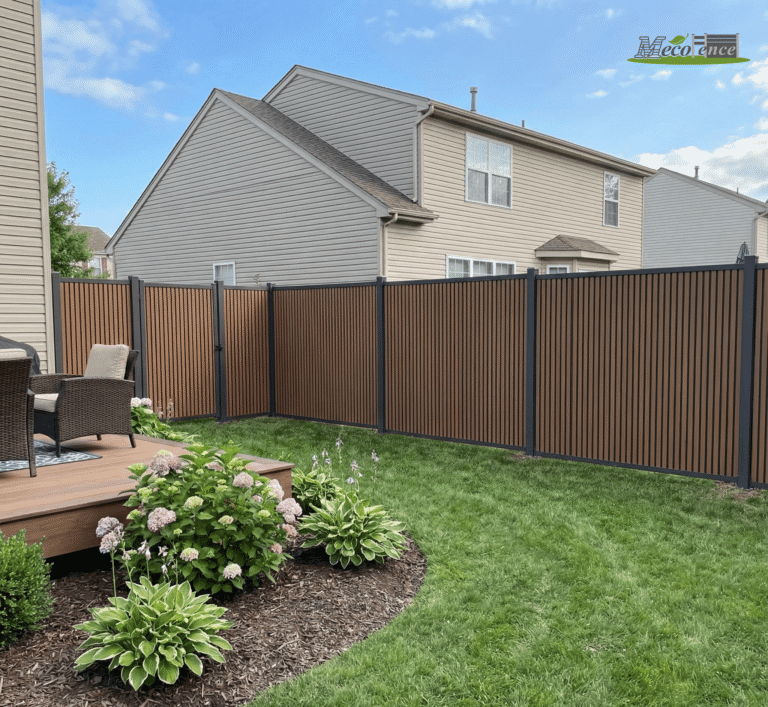
This section isn’t just theory. It’s a sales tool you can hand to your contractors.
When a homeowner pushes back on composite pricing, here’s the 10-year math for a 150-foot privacy fence:
| Cost Category | Vinyl Fence (10 yrs) | Composite Fence (10 yrs) |
|---|---|---|
| Initial installation | $6,750 | $9,750 |
| Panel replacements (cracking/warping) | $400–$1,200 | $0–$200 |
| Post repair/replacement | $300–$800 | $0 (aluminum doesn’t crack) |
| Cleaning / maintenance | Hose wash (minimal) | Hose wash (minimal) |
| Estimated 10-Year Total | $7,450–$8,750 | $9,750–$9,950 |
| 10-Year Cost Gap | As little as $1,000–$2,300 over 10 years — the “premium” almost disappears. | |
When you show this breakdown to a homeowner, the perceived price gap shrinks dramatically. That makes composite an easier close — and a higher-ticket close. Win-win.
When Does Vinyl Fencing Still Make Sense?
We’d be dishonest if we said composite wins every scenario. It doesn’t. Here’s where vinyl legitimately makes more business sense:
- Ultra-budget residential projects: If the homeowner’s ceiling is $4,000 for 150 feet and won’t budge, vinyl is the only way to deliver a complete fence.
- Temporary or short-term fencing: Rental properties, staging, or sites that will be redeveloped within 5 years don’t need 25-year durability.
- White picket fence aesthetics: Vinyl does the classic white picket look cleanly and cheaply. Composite doesn’t compete in this specific niche.
- Markets where composite awareness is zero: If your local market doesn’t know what WPC fencing is, you’ll spend time educating before selling. That has a cost.
The honest take? Stock both. Lead with composite. Close with vinyl when the budget demands it.
That’s the playbook of the most profitable distributors we work with. For more detail on evaluating composite product lines as a wholesaler, see our best composite fencing wholesaler guide.
Your Decision Playbook: Composite vs Vinyl for Your Product Line
Here’s the quick framework. Answer these four questions:
1. Are you losing bids to big-box vinyl pricing?
If yes → you need a differentiated product. Composite gives you that.
2. Are callbacks eating your margins?
If yes → composite’s structural integrity and weather resistance eliminate the top failure modes.
3. Do your customers care about aesthetics?
If yes → composite’s wood-grain texture and dual-tone options close premium jobs that plain white PVC never will.
4. Are you selling in wind-prone or extreme-climate zones?
If yes → an Intertek-certified wind-rated composite system is the only defensible choice. Vinyl has no equivalent third-party wind certification.
If you answered “yes” to two or more of those questions, composite is the higher-ROI product line for your business.
That’s the bottom line.
Frequently Asked Questions
Yes, upfront material cost is higher — typically $25–$50/ft for composite vs $15–$40/ft for vinyl. However, higher per-project revenue, fewer callbacks, and premium margins mean composite often delivers greater total profit per job for contractors and wholesalers.
Both materials claim 20–30 year lifespans, but real-world durability differs significantly. Vinyl is a single-material product — the same PVC compound from surface to core, with no protective layer. Quality composite fencing uses a fundamentally different construction: a fluted chambered board profile with walls greater than 4mm thick, including a 1mm co-extruded protective layer fused into the wall — totalling 24mm overall board thickness, set in an aluminum post frame. That construction is why composite generates far fewer repair callbacks over its lifetime.
Yes. Premium composite systems use aluminum post framing and thick boards engineered for wind resistance. MecoFence’s system is Intertek-certified to Beaufort Level 9 (47–54 mph sustained). Vinyl fencing has no equivalent industry-standard wind certification, and hollow PVC posts are known to crack at the base during storms.
Composite (WPC) fencing is significantly more eco-friendly. It uses recycled HDPE plastic and wood fiber, diverting waste from landfills. PVC production relies on petroleum-derived raw materials and releases harmful chemicals during manufacturing. Composite also passes REACH compliance (EC 1907/2006) standards.
Yes — the most profitable distributors lead with composite for premium projects and keep vinyl for ultra-budget jobs. This dual-line approach captures a wider customer base while protecting your margins on the majority of projects.
Next Steps: Evaluate the Numbers for Your Market
The composite fence vs vinyl fence debate isn’t really about which material is “better.” It’s about which product line makes your business more money with fewer headaches.
For the majority of wholesalers and contractors — especially those selling into wind-prone regions, coastal areas, or markets where homeowners demand premium aesthetics — composite is the higher-margin, lower-risk choice.
The data backs it up. The engineering backs it up. And the callback math really backs it up.
If you’re ready to evaluate composite for your product line, start with a sample kit from MecoFence. Feel the 24mm board thickness. Check the aluminum post weight. Then run your own margin calculation.
The numbers will speak for themselves.
Written by
Steven He
Co-Founder & Head of Product · MecoFence
Steven leads product development and B2B partnerships at MecoFence, a WPC composite fence manufacturer based in Guangdong, China. 10+ years in composite material manufacturing, covering formulation, extrusion process engineering, and export supply chain.
Table of Contents
Ready to Compare Composite vs Vinyl for Your Next Container Order?
MecoFence offers factory-direct pricing on wind-rated composite fencing systems with 7+ panel styles, aluminum framing, and matching gates — built for wholesalers and contractors who want better margins.
Request a Free Sample Kit →