
The Importance of Fence Board Durability
Selecting the correct fence panel board is vital for ensuring your installation lasts for years. While a well-built fence improves curb appeal and property value, durability remains the most significant factor to consider during the buying process.
The quality of the fencing boards you choose directly impacts the fence’s lifespan and how much maintenance it will require.
High-quality, durable boards are designed to endure severe weather without rapid deterioration, which ultimately leads to fewer repairs and replacements.
Prioritizing durability when selecting a fence panel board helps prevent common issues like rot and insect damage while reducing long-term costs.
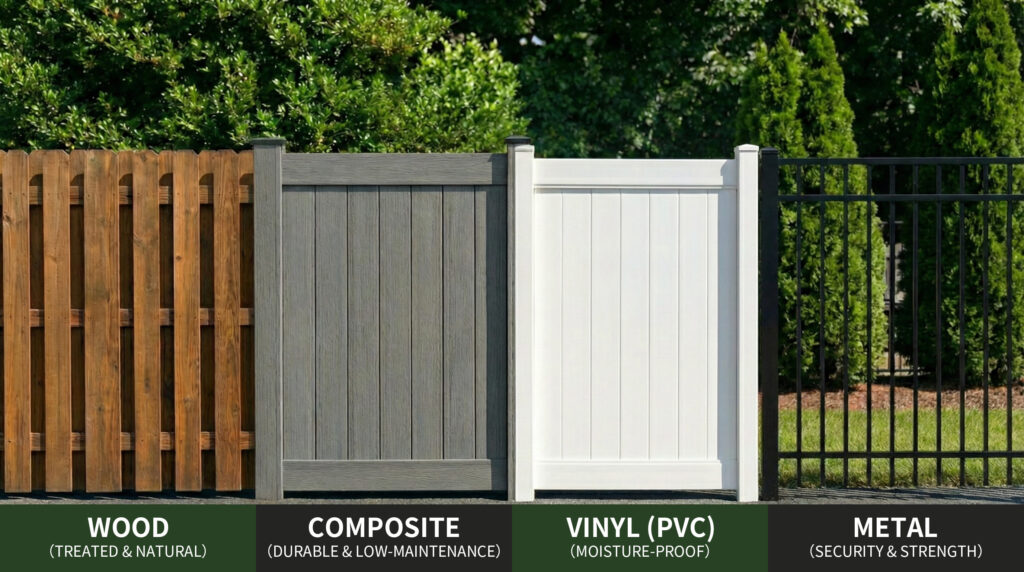
Material Options: Wood, Composite, VINYL, METAL.
Different fence panel board materials provide varying levels of resilience.
1. Treated Wood Pickets
Treated wood is a frequent choice because it offers enhanced durability and resists decay. These pickets are typically pressure-treated to withstand rot and insects, making them suitable for regions with high moisture levels. Additionally, treated wood is often kiln-dried, a process that minimizes the warping often seen in standard lumber.
Advantages:
- Cost-Effective: Lower upfront cost compared to composites or premium woods.
- Resistance: Chemically treated to resist rot and insect damage.
- Availability: Kiln-dried options are available to minimize warping.
Disadvantages:
- Maintenance: Requires more upkeep over time than other materials.
- Weathering: Can still crack or warp if not maintained properly.
Care Tips:
- Clean and seal the pickets annually to block UV rays and moisture.
- Address minor damage immediately to prevent major repairs.
Who is this for?
- Homeowners: Ideal for those on a budget who don’t mind weekend maintenance projects.
- Wholesalers: A high-volume staple; consistent demand makes this a necessary inventory item
2. Composite Fence Boards
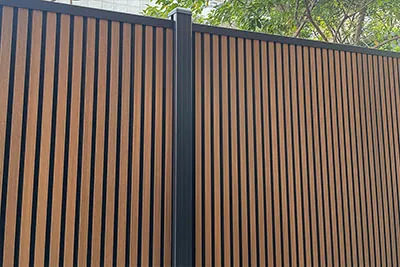
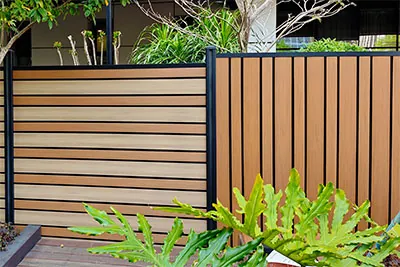
For excellent durability with minimal upkeep, composite is a superior option. These boards are manufactured from recycled materials and are engineered to resist the splitting and warping that affect traditional wood. While the upfront cost may be higher, the low maintenance makes them a strong long-term investment.
Advantages:
Durability: Does not warp, split, or crack.
Low Maintenance: Excellent durability with very little required upkeep.
Eco-Friendly: Often made from recycled materials.
Disadvantages:
- Initial Cost: Higher upfront investment compared to treated wood.
- Heat: Can retain heat more than wood in direct sunlight.
Care Tips:
Wash occasionally with soap and water to remove dirt and pollen.
No sealing, painting, or staining is required.
Who is this for?
Homeowners: Perfect for busy families who want a “set it and forget it” solution.
Wholesalers: Offers higher profit margins and appeals to the growing eco-conscious market.
3. Vinyl Boards
Vinyl fencing has gained popularity for its exceptional longevity and “set it and forget it” maintenance. Unlike wood, vinyl does not require painting, staining, or sealing. It is impervious to rot, termites, and moisture, making it an ideal choice for humid climates. Quality vinyl panels are often reinforced to prevent sagging and treated with UV inhibitors to resist fading from the sun.
Advantages:
Longevity: Will not rot, peel, or blister.
Aesthetics: maintaining a clean, bright look for decades.
Disadvantages:
Repair Difficulty: If a panel cracks (usually from severe impact), the whole section often needs replacement.
Temperature Sensitivity: Can become brittle in extreme freezing temperatures.
Care Tips:
Spray down with a garden hose to keep it looking new.
Use a mild detergent for stubborn stains.
Who is this for?
Homeowners: Those seeking a pristine look (like white picket fencing) without the painting.
Wholesalers: Lightweight for shipping, though bulky; stackability is key for storage.
4. Metal Boards (Aluminum and Steel)
For homeowners prioritizing security and strength, metal fence panel boards are a top contender.
Aluminum: Naturally rust-resistant and lightweight, aluminum is excellent for coastal areas where salt spray attacks other materials. It offers the look of wrought iron without the high maintenance.
Steel: Heavier and stronger than aluminum, steel provides maximum security. It is typically galvanized or powder-coated to prevent rust and corrosion, ensuring it withstands harsh elements for decades.
Advantages:
Security: Strongest barrier against intruders.
Rust Resistance: Aluminum naturally resists rust; galvanized steel is coated for protection.
Disadvantages:
Privacy: Most metal fences are “open” styles (rails/pickets) rather than full privacy panels.
Cost: often the most expensive option per linear foot.
Care Tips:
Inspect steel fences for scratches in the coating to prevent rust spots.
Wash the aluminum to remove salt residue in coastal areas.
Who is this for?
Homeowners: Property owners prioritizing security or pool safety.
Wholesalers: Niche market with high value; critical for commercial clients.
5. Natural Wood Species
If you prefer natural wood fence panel boards, consider these specific types:
Pine: Economical and lightweight, pine is easy to handle for DIY projects.
Cedar: This wood offers a premium aesthetic and is naturally resistant to insects and rot, requiring less maintenance than pine.
Redwood: Known for high strength and rich color, redwood is a durable, premium option.
Sizing and Style: What Fits Your Project?
Fence panel boards are available in various dimensions and styles to meet specific privacy and security needs.
For Privacy & Security:
- 10ft Boards: Ideal for enhanced privacy and security.
- Privacy Style: Closely spaced pickets block sightlines completely.
For Aesthetics & Definition:
- 6ft Boards: The standard height for most residential needs.
- Dog Ear: A classic style with clipped corners that is easy to install.
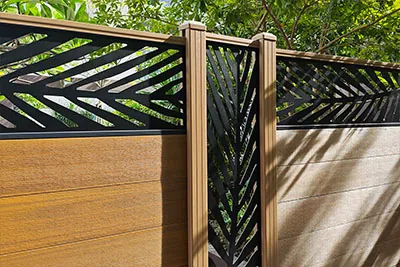
- Decorative: Ornate cutouts or tops to add charm.
For Custom Builds:
- 5/4 Boards: Thicker boards that offer increased flexibility and variety
Critical Selection Factors
To select the best fence panel board for your property, evaluate these three key factors :
Local Climate: The environment where the fence is installed dictates the material choice. You must select boards capable of withstanding your specific local weather patterns to ensure longevity.
Budget vs. Quality: While untreated wood or pine offers a lower initial cost, they require more frequent maintenance. Treated wood or composite may cost more upfront but offer a longer lifespan.
Primary Purpose: Define whether the fence is for security, privacy, or decoration. This purpose will determine the necessary height and style of the fence panel boards you purchase.
Installation and Maintenance Tips
Even the best fence panel board will fail if installed poorly.
Secure Posts: Set posts deep in the ground to provide stability against wind and harsh weather.
Regular Inspections: Fix minor damages immediately to prevent them from becoming major repairs later.
The Bottom Line:
Ultimately, the right choice balances appearance, functionality, and cost. At Mecofence, we understand that investing in durable fence boards provides peace of mind and protects your investment.
Whether you are a wholesaler looking for reliable composite stock or a homeowner seeking a maintenance-free upgrade, choosing the right material is essential. By prioritizing durability and considering your local climate, you ensure your fence remains attractive and secure for years.
Explore the Mecofence range to find the perfect balance of durability and value for your next project.
Frequently Asked Questions About Fence Panel Boards
Composite boards are the best option for low maintenance. Made from recycled materials, they provide excellent durability and do not warp or split like traditional wood, meaning they require far less upkeep over time.
If you choose wood pickets, you should clean and seal them annually. Regular sealing protects the wood from moisture and UV damage, while addressing minor issues immediately prevents them from becoming major repairs later.
For standard privacy needs, 6ft boards are the most common choice. However, if you require enhanced privacy or increased security, 10ft boards are the ideal option.
Generally, yes. While untreated wood offers a lower initial cost, it requires more maintenance. Treated wood pickets are pressure-treated to resist rot and insects, giving them a longer lifespan and making them a better long-term investment for many homeowners.
Climate is a critical factor because it affects the material’s longevity. For example, in areas with high moisture levels, treated wood is ideal because it resists rot. You must select materials that can specifically withstand your local weather conditions to ensure the fence lasts.