
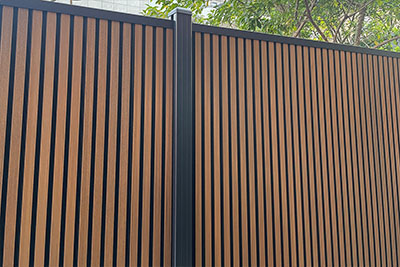
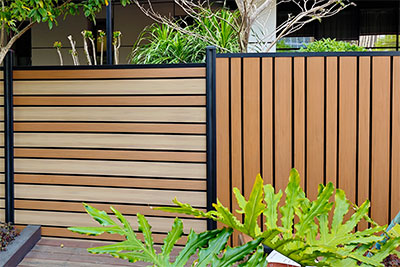
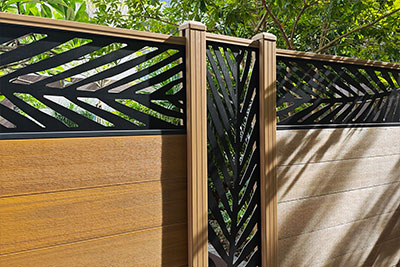
In the past few years, composite fencing has gained significant popularity in Canada. As homeowners and businesses look for durable, eco-friendly, and low-maintenance fencing solutions, composite fences have become a go-to option. Whether you’re looking to enhance privacy, secure your property, or simply beautify your outdoor space, composite fencing offers an excellent choice.
This guide provides all the essential information about composite fencing in Canada, including the types available, their applications, the advantages they offer, and technical insights into installation and pricing.
1. Types of Composite Fencing Available in Canada
Modern Wood-Plastic Composite (WPC) fencing boards have evolved far beyond the basic boards of a decade ago. Today, the market is categorized by design and structural performance:
- Full Privacy Systems: Utilizing interlocking tongue-and-groove boards, these systems provide a 100% solid barrier. They are the preferred choice for residential backyards and high-traffic areas where noise reduction and total seclusion are priorities.
- Semi-Trellis and Decorative Lattice: These styles feature a solid privacy base with a decorative lattice or “window” section at the top. This allows for light filtration and wind passage while maintaining a clear property boundary.
- Privacy with 100% Airflow: Often referred to as “Slat-Wall” fencing, these use angled or spaced profiles. They block direct line-of-sight from the side but allow maximum wind through. This is crucial for high-wind zones like the Canadian Prairies to prevent the “sail effect” from damaging posts.
- Traditional WPC Profiles: These mimic the look of classic vertical pickets or board-on-board wood fences, offering a timeless aesthetic with the durability of polymer-bound fibers.
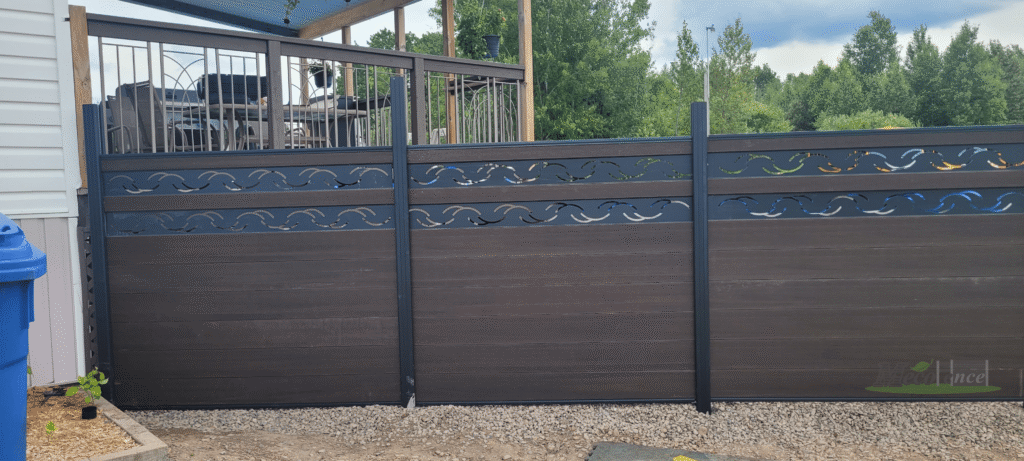
2. Common Applications of Composite Fencing in Canada
- Residential Use: Primarily used for backyard enclosures and pool fencing. Because composite is moisture-resistant, it thrives in damp environments where wood would eventually rot or attract mold.
- Commercial and Industrial Use: Business parks and warehouses use WPC for screening and security. It provides a professional, “permanent” look that doesn’t require the recurring maintenance costs of wood or the industrial look of metal.
- Agricultural and Rural Use: Across large acreages, composite is becoming a staple for decorative boundaries. Its resistance to pests and environmental degradation makes it a reliable choice for the long-term management of rural property lines.
3. Advantages of Composite Fencing
Choosing composite over wood in Canada is a decision based on Life-Cycle Value:
- The Freeze-Thaw Advantage: Standard wood absorbs moisture that expands when it freezes, causing cracks. Co-extruded WPC (boards with a 360-degree protective cap) is hydrophobic, meaning it remains stable even during extreme temperature swings.
- Aesthetic Depth: Modern fence boards use dual-tone color blending, 3D fluted textures or decorative lattice screen to provide the visual warmth of real wood without the eventual “utility-pole grey” fading
- Sustainability: Most high-end WPC products divert over a ton of plastic and wood waste from landfills for every 100 feet of fencing installed.
4. Price Overview of Composite Fencing in Canada (2025)
While initial costs are higher than pressure-treated wood, the “Total Cost of Ownership” (TCO) is lower due to zero staining requirements.
| Material Type | Estimated Cost / Linear Ft (Installed CAD) | Maintenance | Lifespan |
| Pressure-Treated Wood | $45 – $75 | High (Annual) | 10–12 Years |
| Western Red Cedar | $65 – $95 | Moderate (Oiling) | 15–20 Years |
| Low-maintenance composite fence | $85 – $155 | Zero | 25+ Years |
5. Professional Installation: Navigating Slopes and Frost Lines
Installing a fence in Canada requires specific technical steps to ensure the structure doesn’t “heave” or buckle.

The Canadian Frost Line
In most of Canada, you must dig post holes to a depth of 36 to 42 inches. Digging below the frost line ensures that when the ground freezes and expands, it doesn’t push your posts out of the ground.
Pro Tip: Always add 6 inches of crushed gravel at the bottom of the hole for drainage before pouring concrete.
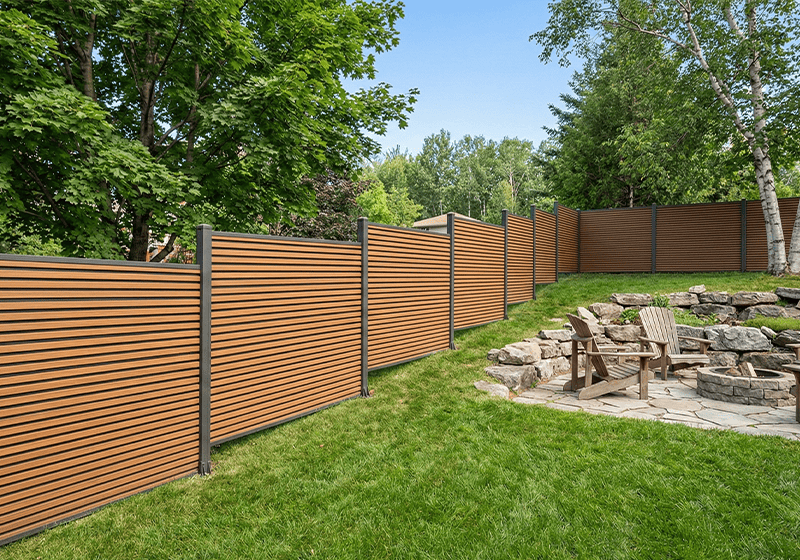
Installing on a Slope: Stepping vs. Racking
If your yard is not level, you must choose a method to handle the grade:
The Stepping Method (Recommended for WPC): The fence follows the slope like a staircase. Each panel is level, but it “steps” down at each post. This is the best method for rigid horizontal slat designs.
The Racking Method: The rails follow the angle of the ground while the posts stay vertical. This eliminates gaps at the bottom but is usually only possible with vertical picket styles that have flexible rail connections.
Thermal Expansion
Unlike wood, composite expands and contracts along its length. When installing, professional crews leave a 3mm to 5mm gap between the board ends and the post channels. This “breathing room” prevents the fence from buckling during our +30°C summers.
Contractor Site Preparation Checklist:
Before the installation crew arrives, ensure these five steps are completed to avoid delays and extra labor costs.
- Utility Locates (Call Before You Dig): Contact your local utility service (e.g., Ontario One Call, BC 1 Call) to mark gas, electric, and water lines. This must be done 3–5 days in advance.
- Property Line Verification: Confirm your legal boundaries using a land survey. It is recommended to set posts 4 inches inside your property line to ensure concrete footings do not encroach on neighboring land.
- Clear the “Work Zone”: Remove debris, large rocks, and tree stumps within 3 feet of the fence line. Trim back overhanging branches or bushes that could interfere with the vertical height of the panels.
- Site Grading & Access: Ensure the crew has a clear path for bringing in heavy materials and concrete. If the yard has significant “humps” or “dips,” decide in advance if you want the site leveled or if you prefer the fence to be “stepped” (as described above).
- Permit & HOA Approval: Verify local zoning bylaws for height restrictions (usually 6ft max for backyards) and obtain a building permit if required by your municipality.
Summary
The transition to composite fencing in Canada represents a move toward more sustainable, durable, and cost-effective property management. By selecting a 2nd-generation co-extruded system and ensuring installation reaches below the frost line, property owners can enjoy a secure and beautiful boundary for decadesComposite Fence Trends 2026