
Dual-Tone Composite Fence Trends 2026
Walk through any suburban neighborhood today, and you’ll likely see a sea of white vinyl. It makes sense—White Vinyl (PVC) has been the “default” backyard fence for decades because it’s available, affordable, and functional. But for homeowners looking to elevate their curb appeal beyond the standard, the dual-tone composite fence is quickly becoming the preferred upgrade.
As a dedicated manufacturer, MecoFence noticed a shift. Modern architecture demands more than just a shiny white plastic wall; it calls for texture, warmth, and structural innovation.
So, should you stick with the reliable standard, or is it time to invest in the upgrade? Let’s strip away the sales pitch and look at the honest reality of both materials.
The Enduring Appeal of Classic White Vinyl (The Standard Choice)
Let’s be clear: Vinyl fencing is popular for a reason. It serves a very specific purpose in the market as a reliable, entry-level option for traditional homes.
Where Vinyl Wins
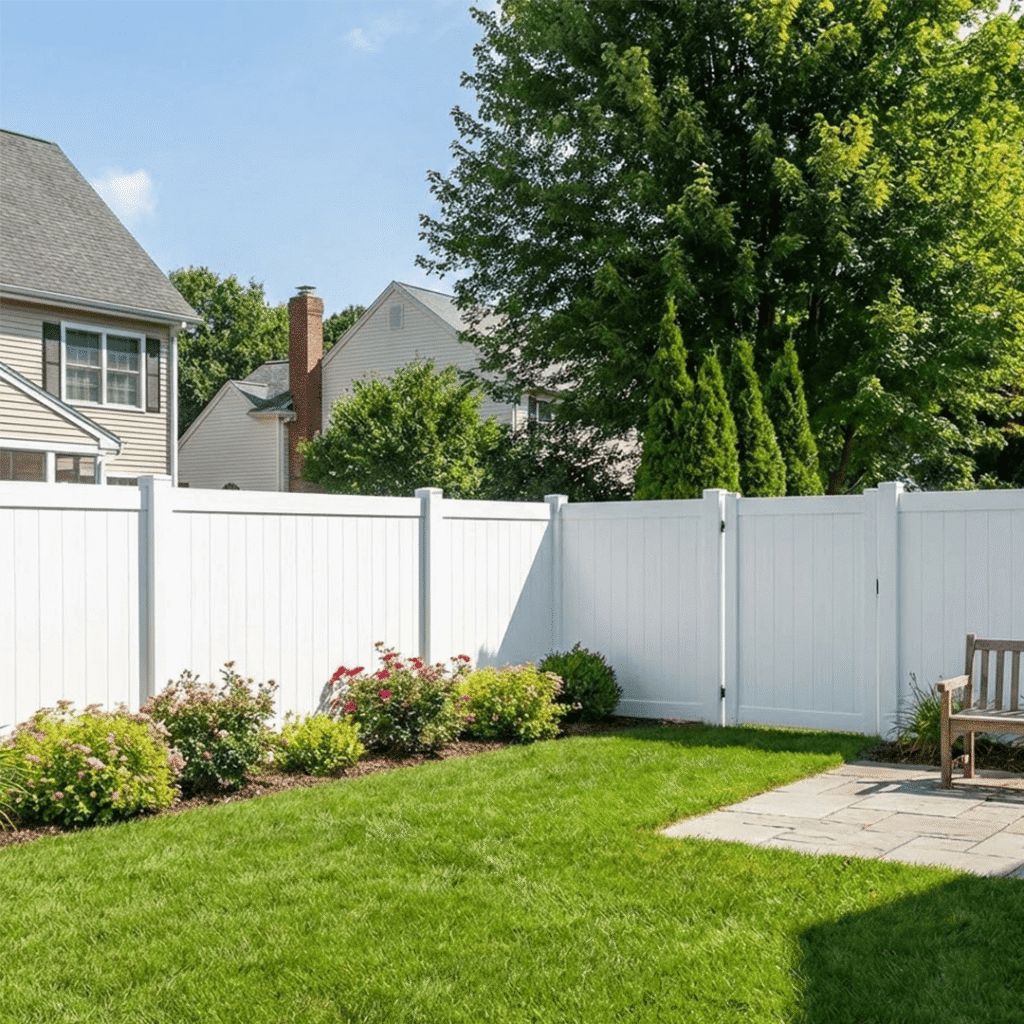
The “Clean” Look: If you want a bright, uniform boundary, Vinyl delivers. It captures that crisp “white picket fence” look that fits perfectly with Colonial or Cape Cod style homes.
Zero Rot: Since it is 100% plastic, you never have to worry about termites or water damage.
Budget-Friendly: Generally, hollow vinyl profiles are cheaper to produce and ship than solid composite. If you have a massive perimeter to fence in and budget is your #1 concern, Vinyl is a sensible choice.
The Trade-Off (The Aesthetic Limit)
However, Vinyl is ultimately a functional choice, not a design-led one.
The Glare: Vinyl naturally has a glossy finish. In direct sunlight, it can be quite reflective, creating a glare that some homeowners find artificial.
The Feel: Up close, there’s no hiding it—it looks and feels like plastic. It lacks the “soul” or grain of natural materials.
Maintenance: While it doesn’t rot, that bright white surface acts as a canvas for dirt, green algae, and mildew. You’ll need to power wash it regularly to keep that “showroom” white.
The Shift to “Hyper-Realistic” Dual-Tone (The Premium Upgrade)
If Vinyl is the “Toyota Corolla” of fences—reliable and common—then MecoFence’s dual-tone composite fence is the luxury upgrade. The focus here shifts from pure utility to texture and aesthetics.
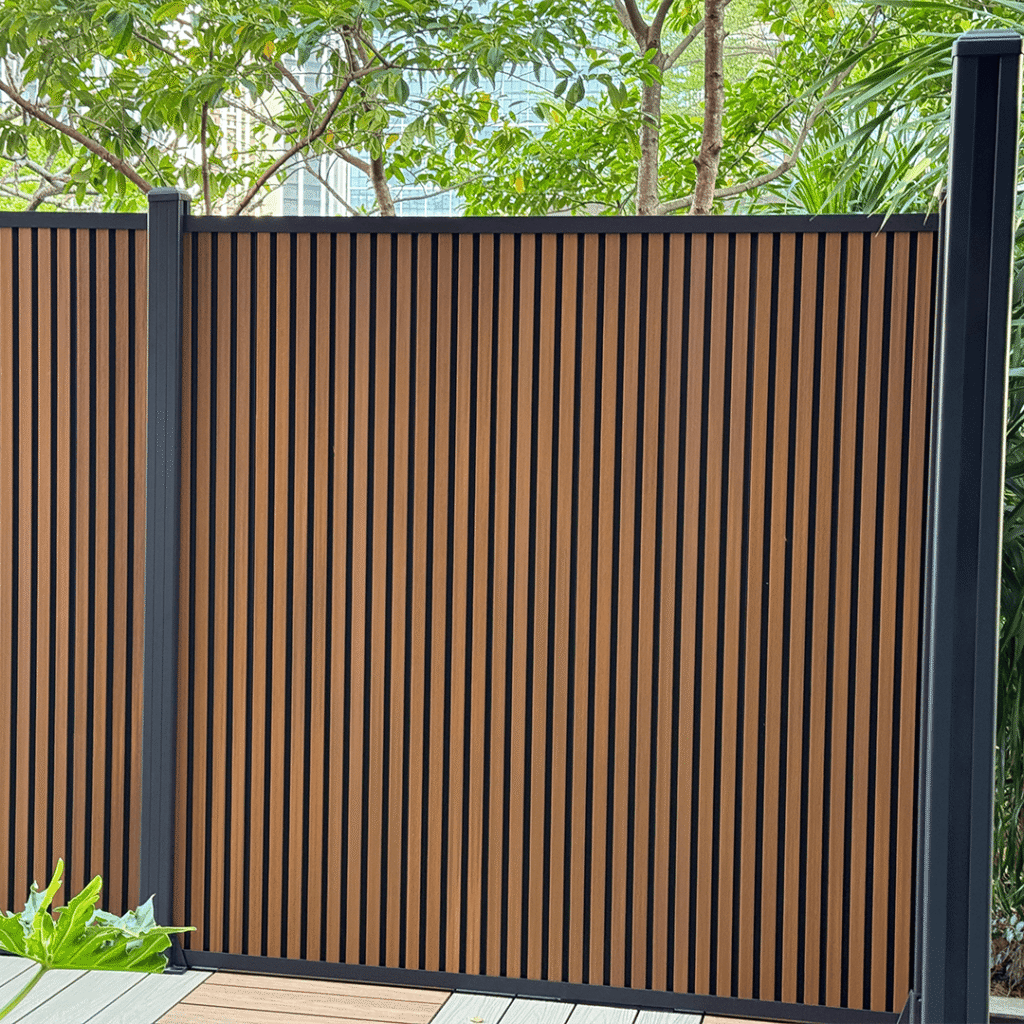
The “Wood” Look Without the Wood
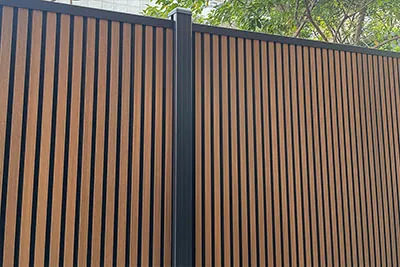
Matte vs. Glossy: We specifically engineered a Co-extrusion Outer Layer with a matte finish. It absorbs light rather than reflecting it, giving the fence an understated, high-end appearance.
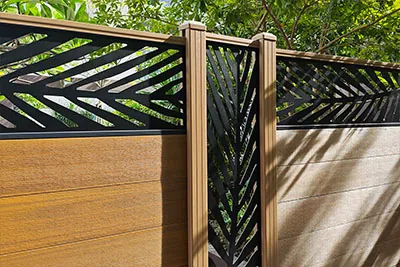
Depth of Color: Instead of a flat, single color, we blend varied pigments during manufacturing. This creates random, natural streaks of dark and light on the board.
The Result: From the curb, it’s hard to tell it isn’t premium Teak or Walnut. It adds a layer of sophistication that plain plastic simply can’t achieve.
The “Mixed Materials” Structure (Aluminum vs. PVC)
This is the technical difference that matters most for longevity. It’s about what holds the fence up.
Vinyl: The Mono-Material Approach
Most Vinyl fences are made of the same hollow PVC material from top to bottom.
The Reality: PVC is flexible, which helps it absorb some impact. However, in freezing temperatures, plastic can become brittle. A stray baseball or a rock thrown by a lawnmower can crack a cold vinyl panel. Also, dark-colored vinyl absorbs too much heat and warps, which is why you almost only see white vinyl.
MecoFence Hybrid: The Industrial Frame
We take a “Mixed Material” approach, combining the best of two worlds:
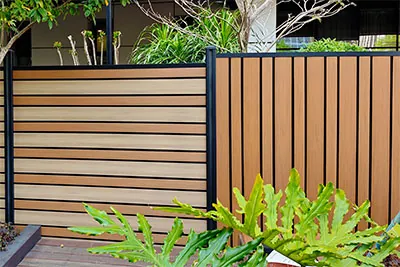
The Skin (WPC): The fence boards are Solid Co-extrusion Composite. They are dense, heavy, and sound solid when you knock on them.
The Bones (Aluminum): We frame these boards with Matte Black Aluminum Posts.
Why it’s better: Aluminum doesn’t get brittle in winter. It creates a rigid skeleton that withstands 110 mph winds. It allows you to have the beauty of wood-look panels with the industrial strength of a metal frame.
Seamless Design: Hidden Fixings vs. Visible Brackets
For those who care about clean lines, the installation method is a major differentiator.
The Standard Vinyl Way: Often involves visible white brackets screwed into the posts, or sliding rails into pre-cut holes. If the ground isn’t perfectly level, these holes can misalign, leading to a messy installation.
The MecoFence “Slide-in” Way: We designed our system to be smarter. Our aluminum posts feature an integrated channel running down the side. You simply stack the dual-tone composite fence boards into the channel.
The Benefit: No visible screws. No ugly brackets. Just clean, continuous lines. It’s a seamless look that architects love.
The Verdict: Which One Belongs in Your Yard?
There is no “wrong” answer here, just the right answer for your specific project and budget.
Stick with White Vinyl If:
You have a very long fence line and need to keep costs down.
You specifically love that traditional, bright white “Cape Cod” aesthetic.
Your neighborhood HOA requires all fencing to be white.
Upgrade to MecoFence Dual-Tone Composite Fence If:
You Want Curb Appeal: You prefer the warm, matte look of wood over the glossy look of plastic.
You Like Modern Design: You want the trendy “Mixed Material” look (Black Frame + Wood Tone).
You Need Strength: You live in a windy area and want the peace of mind that comes with an Aluminum structure.
You Want Low Maintenance: You prefer a darker, matte surface that doesn’t show dirt and water spots as easily as white vinyl.
Conclusion: Innovation Direct from the Manufacturer
Vinyl served its purpose well for decades. But outdoor living has evolved.
At MecoFence, we pride ourselves on being innovators, not just a factory. From our realistic dual-tone composite fence textures to our wind-resistant aluminum structures, we are constantly developing new designs to help you build a better backyard.
Don’t just take our word for it. Feel the difference in weight and texture yourself. Order a Free Sample Kit to compare a standard hollow vinyl sample against our solid Co-extrusion board.